
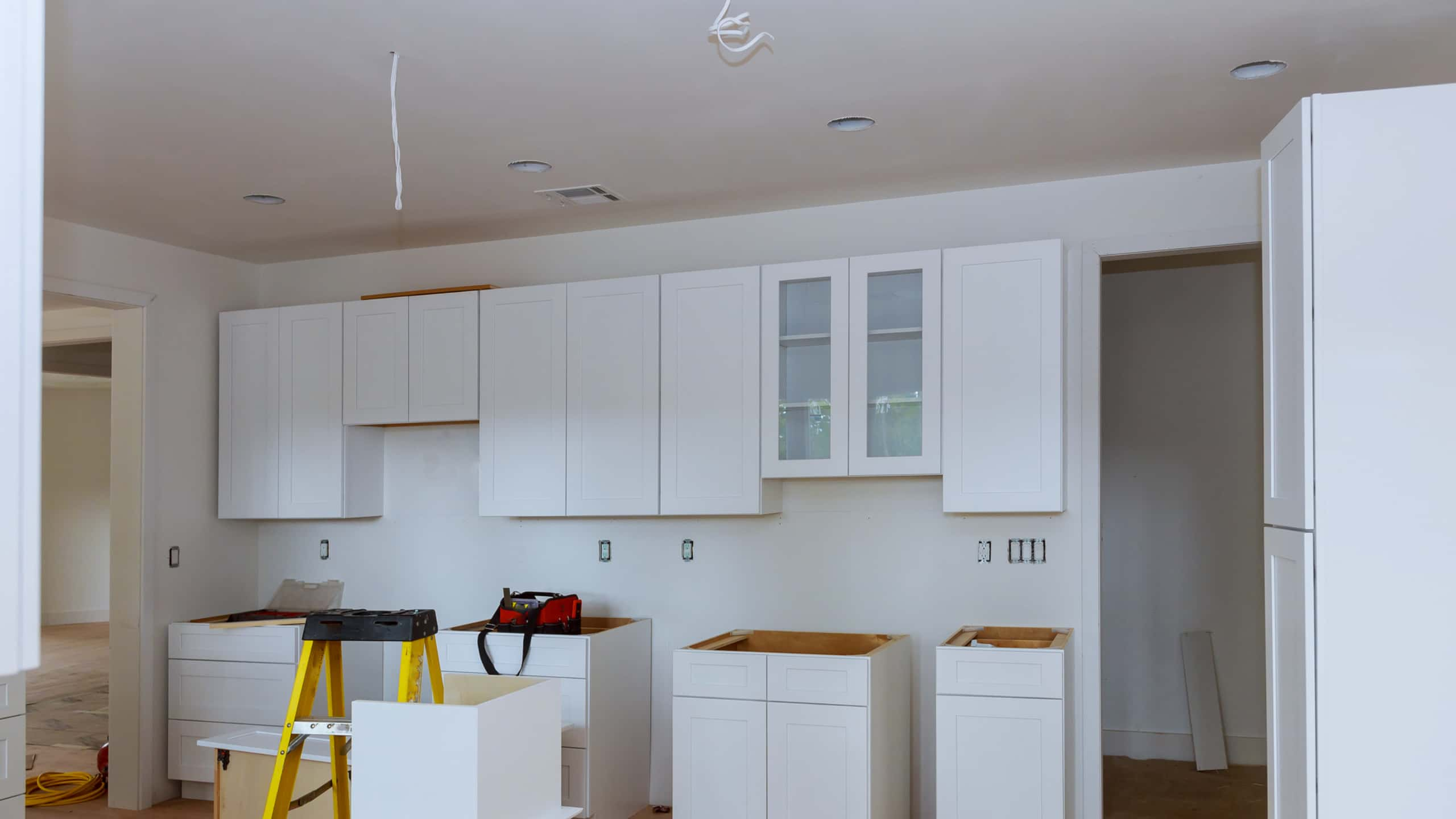
Remodeling can be an intimidating task, but it doesn't have to be! Transforming a space or object into something new and improved can actually be quite exciting. A synonym for remodel is renovate, which means to make something look better by making changes.
Renovating an area of your home or property can involve anything from updating fixtures and appliances to rearranging furniture or even completely changing the layout. You may even choose to add new features such as a walk-in closet, outdoor deck, or modern kitchen.
No matter the project size, the key is to plan ahead so you don't run into unexpected issues along the way. Set up a timeline with clear goals and budgeting guidelines in order to ensure your renovation runs smoothly. Additionally, consider hiring professionals if necessary – this will help alleviate any stress that comes with taking on large projects yourself.
Lastly, remember to have fun! Redecorating and renovating are both great ways to express creativity and add character to your home. Don't forget to take breaks when needed; otherwise you could quickly become overwhelmed with all the changes going on around you. With these tips in mind, go ahead and get started on bringing your vision for your home or office space alive!
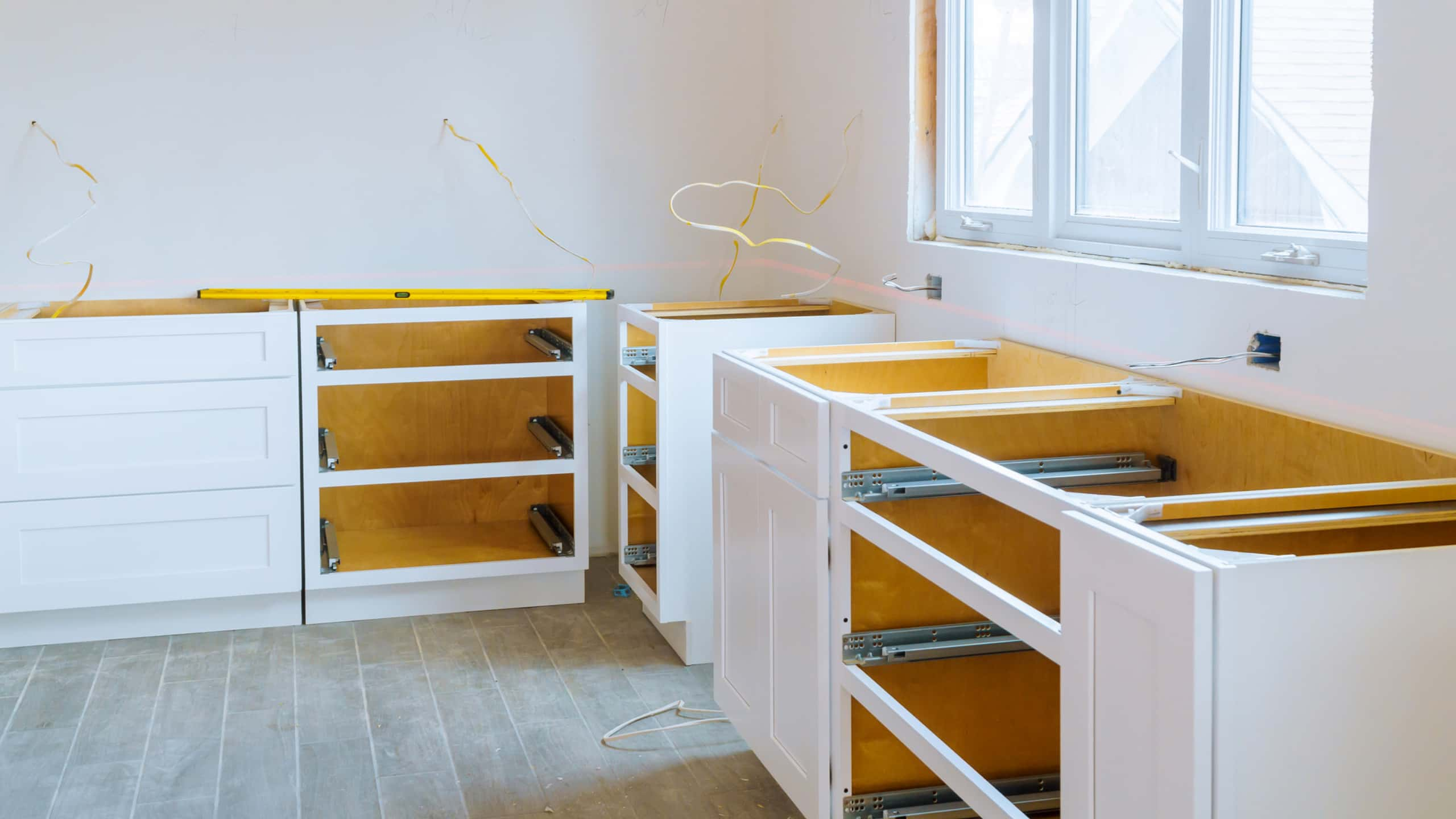
Remodeling and renovating a kitchen are two different processes. Remodeling is about making changes to the existing kitchen, while renovation means starting from scratch to create a new one. A remodel typically involves replacing some of the components in an existing kitchen, such as cabinets or countertops, while renovation involves completely gutting the space and creating something entirely new.
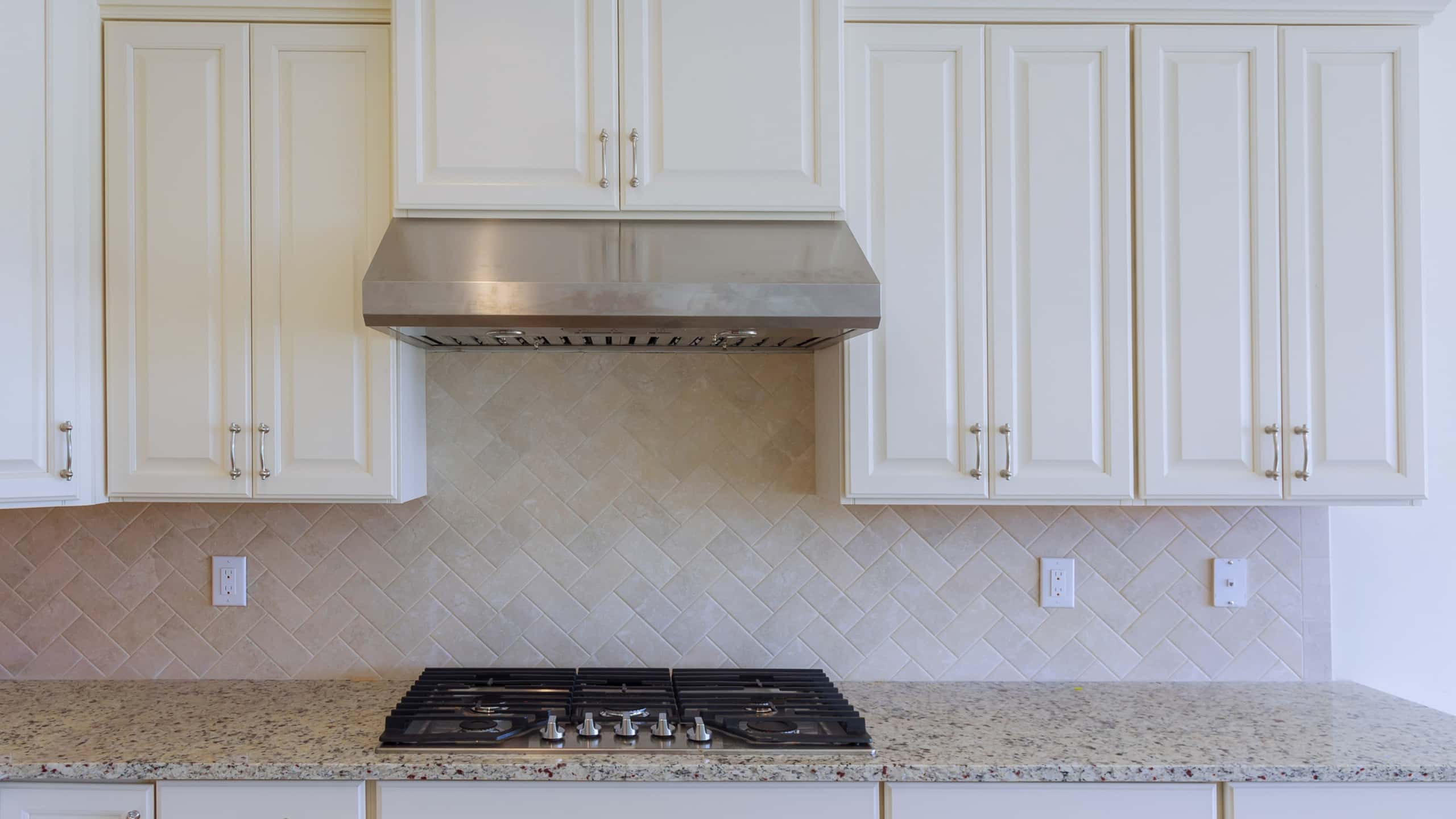
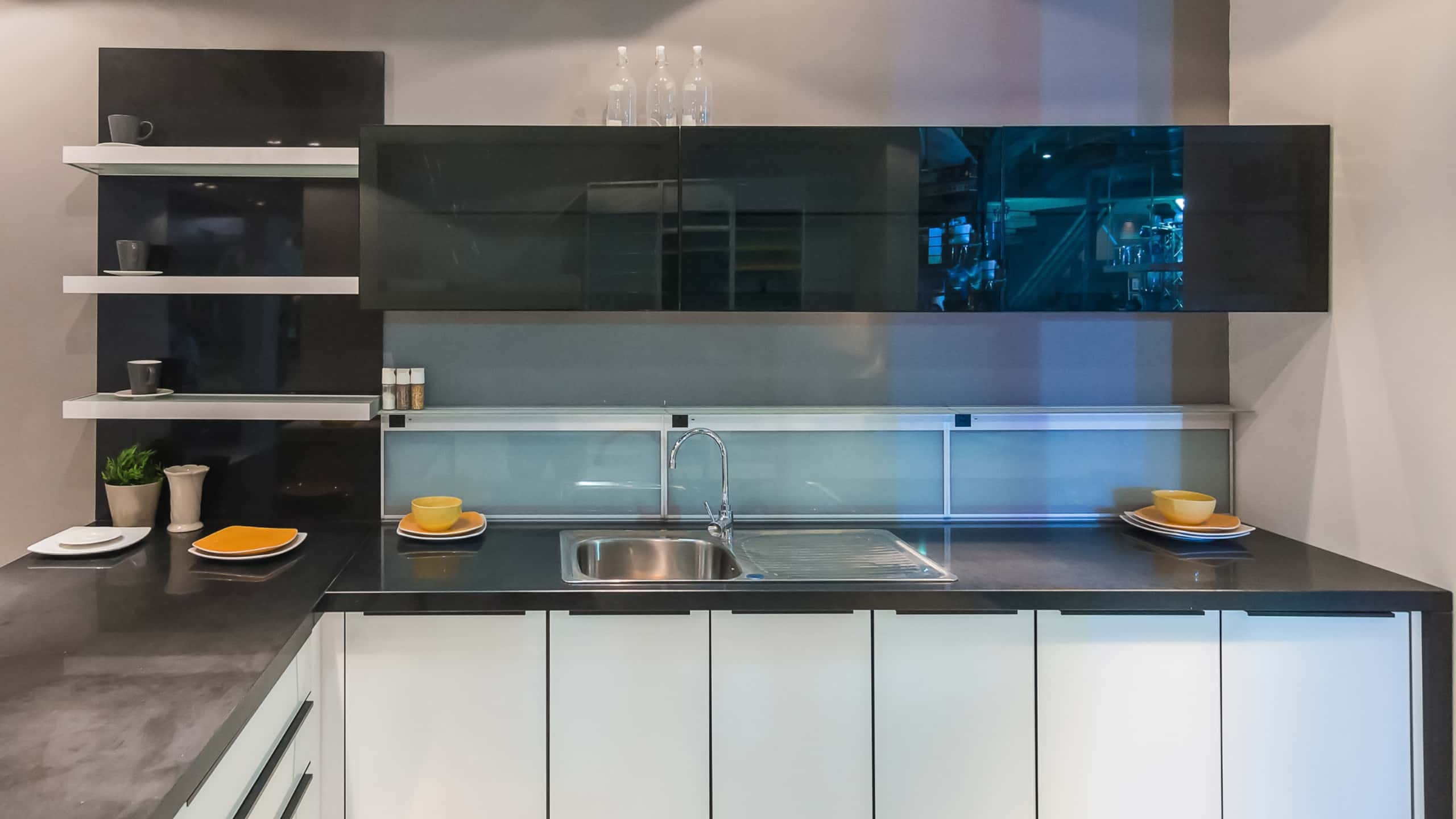
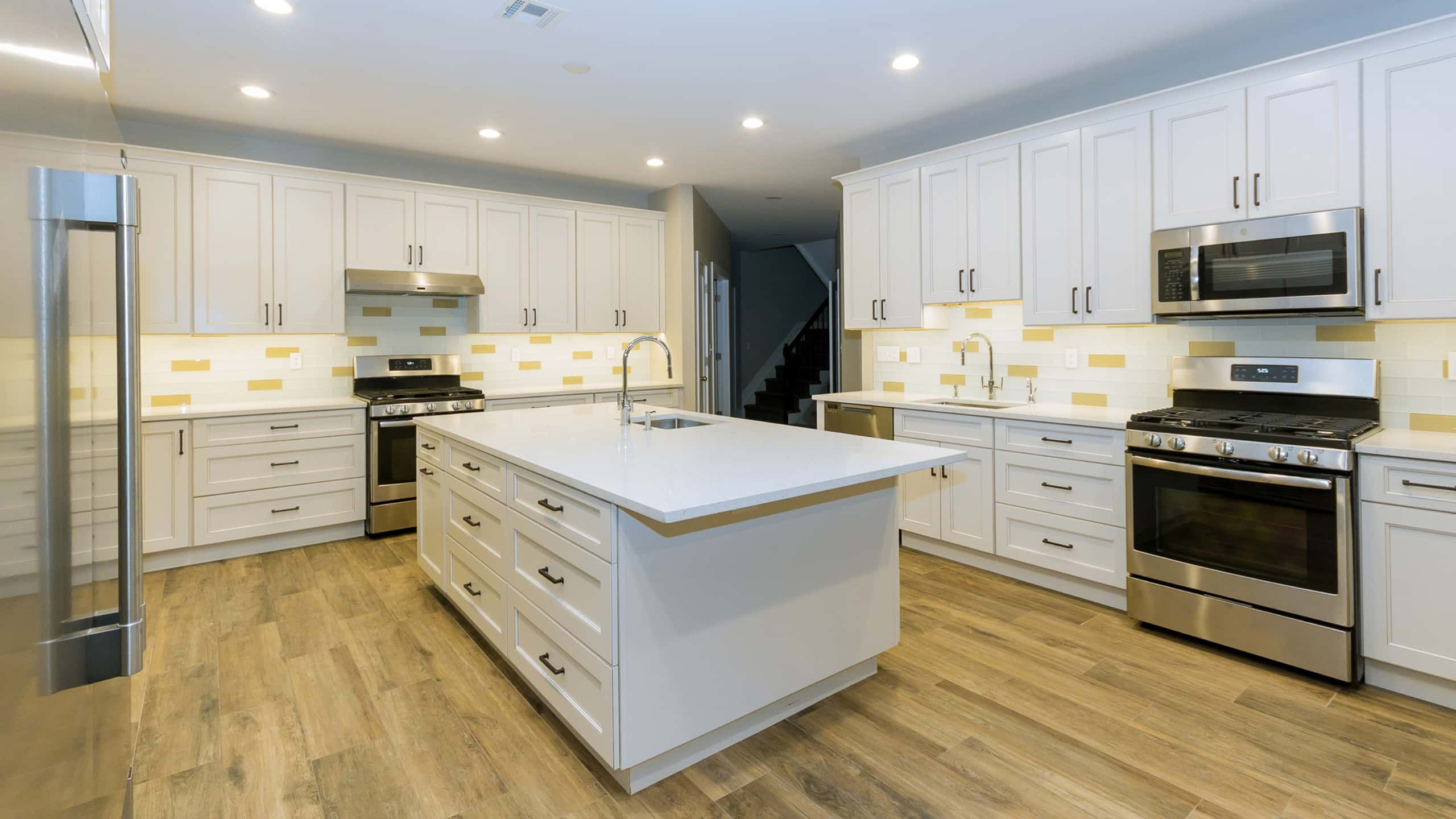
For instance, if you're looking to update your kitchen with more modern appliances and accessories, then a remodel might be best for you. On the other hand, if you want to dramatically change the layout of your kitchen and make it bigger or smaller, then a full-scale renovation may be necessary. Additionally, when it comes to cost-effectiveness, remodeling is generally more economical than renovating since fewer materials will need to be purchased.
Furthermore, another difference between remodeling and renovating is that with remodeling there's usually less disruption of daily life since smaller changes are being made compared to extensive work being done during a renovation project. Also, depending on what type of work needs to be done during either process can significantly impact how long each takes; however, both projects can take several weeks or even months depending on their complexity.
Finally, regardless of whether you decide to go with a remodel or renovation approach for your kitchen project keep in mind that either choice will require careful planning prior to any construction starting so that all elements come together properly when completed. Transition phrase: All things considered... Ultimately it comes down to personal preference when deciding which approach is best suited for your budget and lifestyle goals regarding your kitchen project.
Preparing for a kitchen remodel can be an overwhelming task. However, with the right guidance and planning, it doesn't have to be! First and foremost, you should start by taking inventory of all the items in your kitchen and deciding which ones you want to keep or throw away. To make this process easier, create separate lists for each category and label them accordingly. Additionally, take note of any appliances that need to be moved out of the way while work is being done.
Next up, it's time to start packing! Begin by removing any decorative items from shelves or walls; these can be stored in boxes or bags until the remodeling project is complete. Then, carefully wrap fragile items such as dishes and glassware in bubble wrap before placing them into designated containers. Similarly, if you have food items that won't be used during the renovation period, place those into sealed containers so they're not affected by dust particles from construction work.
Now that all your belongings are safely tucked away, it's time to focus on the actual demolition process itself. Start off by covering furniture and surfaces with protective plastic sheeting or drop cloths to prevent any damage from occurring during this stage of the project. Also make sure to turn off electricity and water supply lines located throughout your kitchen; this will help minimize potential hazards while preventing costly repairs down the line.
Finally, once everything has been properly prepped for renovation work, simply sit back and relax! While you may feel tempted to jump in on some DIY projects yourself, it's important to remember that safety always comes first when working around potentially hazardous materials like tools and power equipment. Plus having a professional contractor handle the job means peace-of-mind knowing that your kitchen remodel will look great and last for years to come!