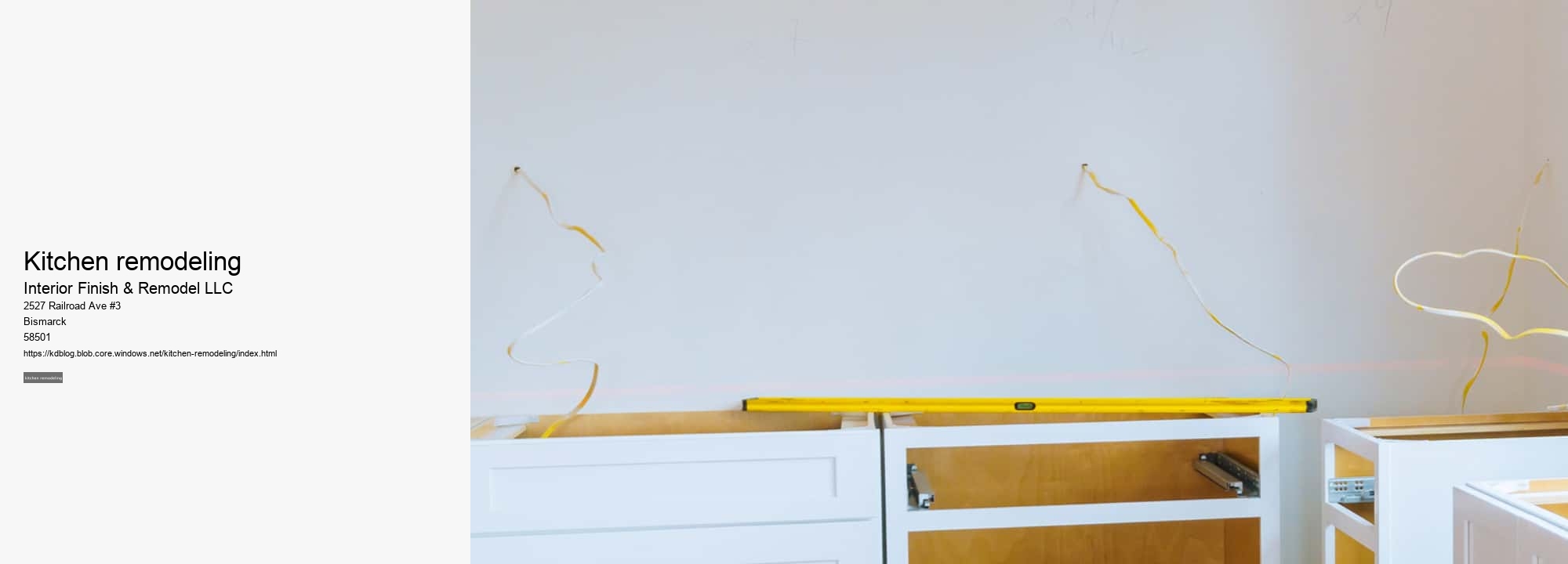
The secret to having a perfectly remodeled kitchen lies in the details. It is not just about choosing the right appliances, but also planning the layout and design carefully. A successful kitchen remodel requires careful consideration of both form and function.
Bismarck (/ˈbɪzmɑːrk/; from 1872 to 1873: Edwinton) is the capital of the U.S. state of North Dakota and the county seat of Burleigh County.[5] It is the state's second-most populous city, after Fargo. The city's population was 73,622 in the 2020 census,[3] while its metropolitan population was 133,626. In 2020, Forbes magazine ranked Bismarck as the seventh fastest-growing small city in the United States.[6][7]
Bismarck was founded by European-Americans in 1872 on the east bank of the Missouri River. It has been North Dakota's capital city since 1889, when the state was created from the Dakota Territory and admitted to the Union.[8]
Bismarck is across the river from Mandan, named after a Native American tribe of the area.[9] The two cities comprise the core of the Bismarck–Mandan Metropolitan Statistical Area.
The North Dakota State Capitol is in central Bismarck. The state government employs more than 4,600 in the city. As a hub of retail and health care, Bismarck is the economic center of south-central North Dakota and north-central South Dakota.
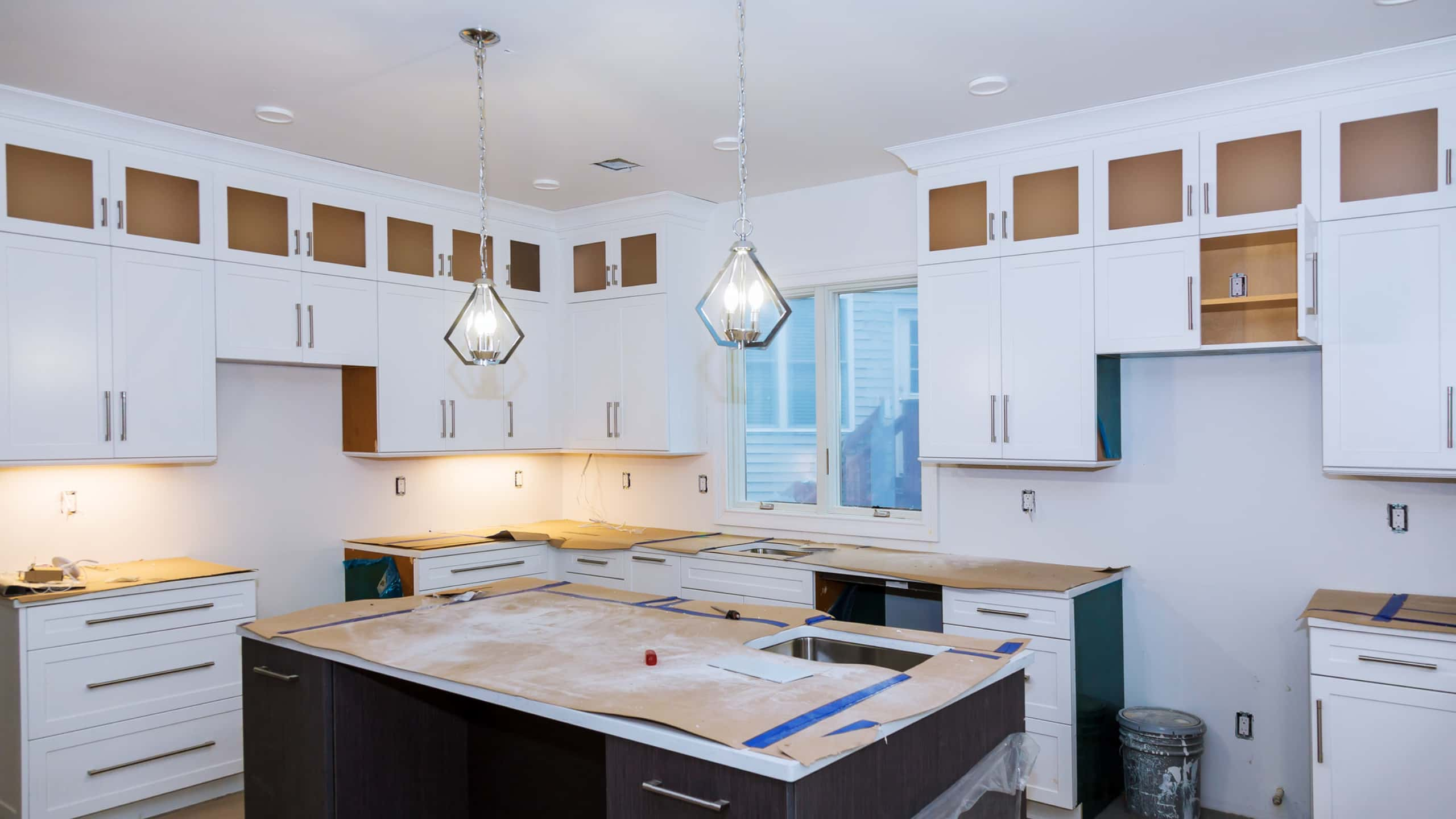
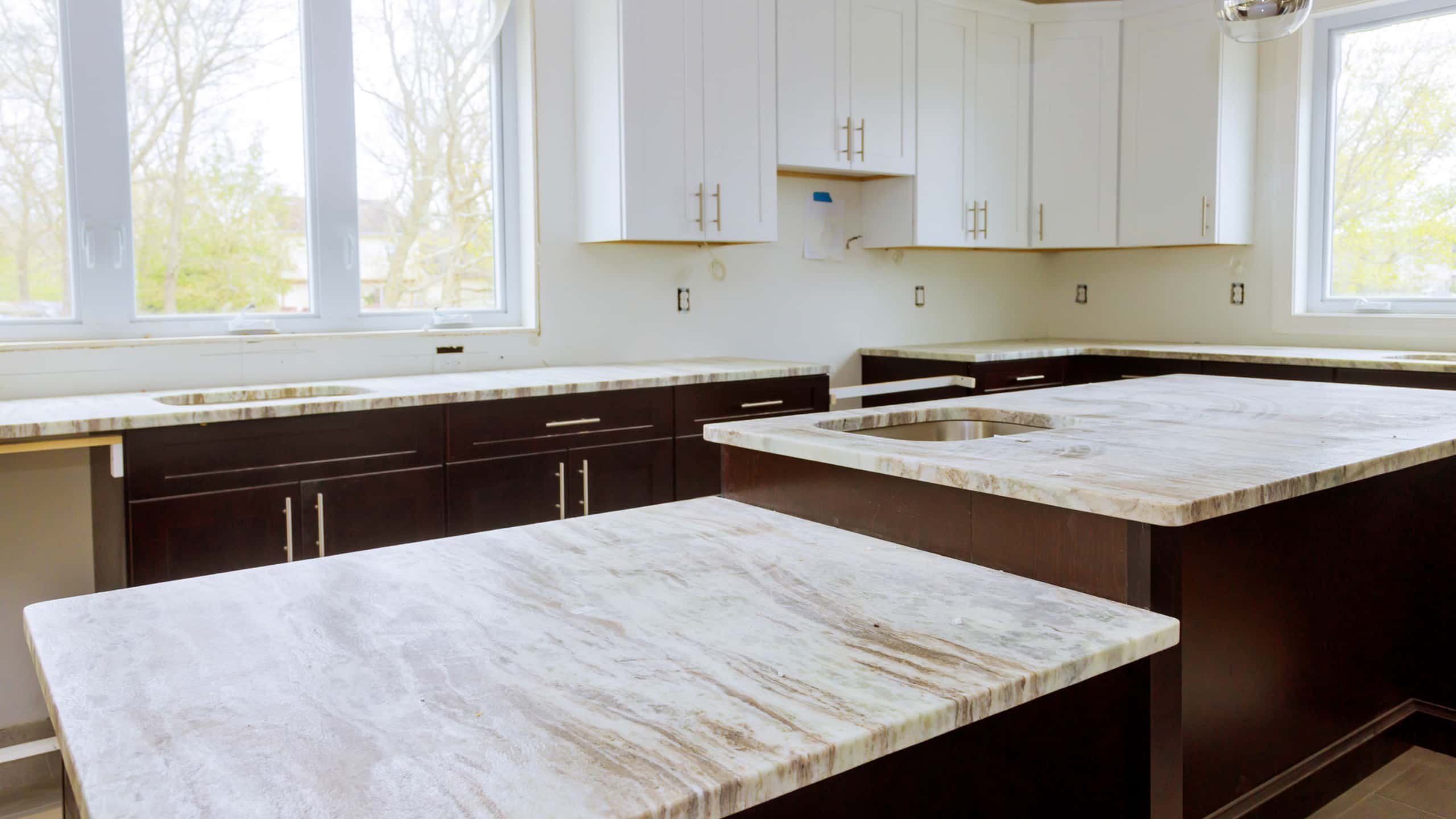
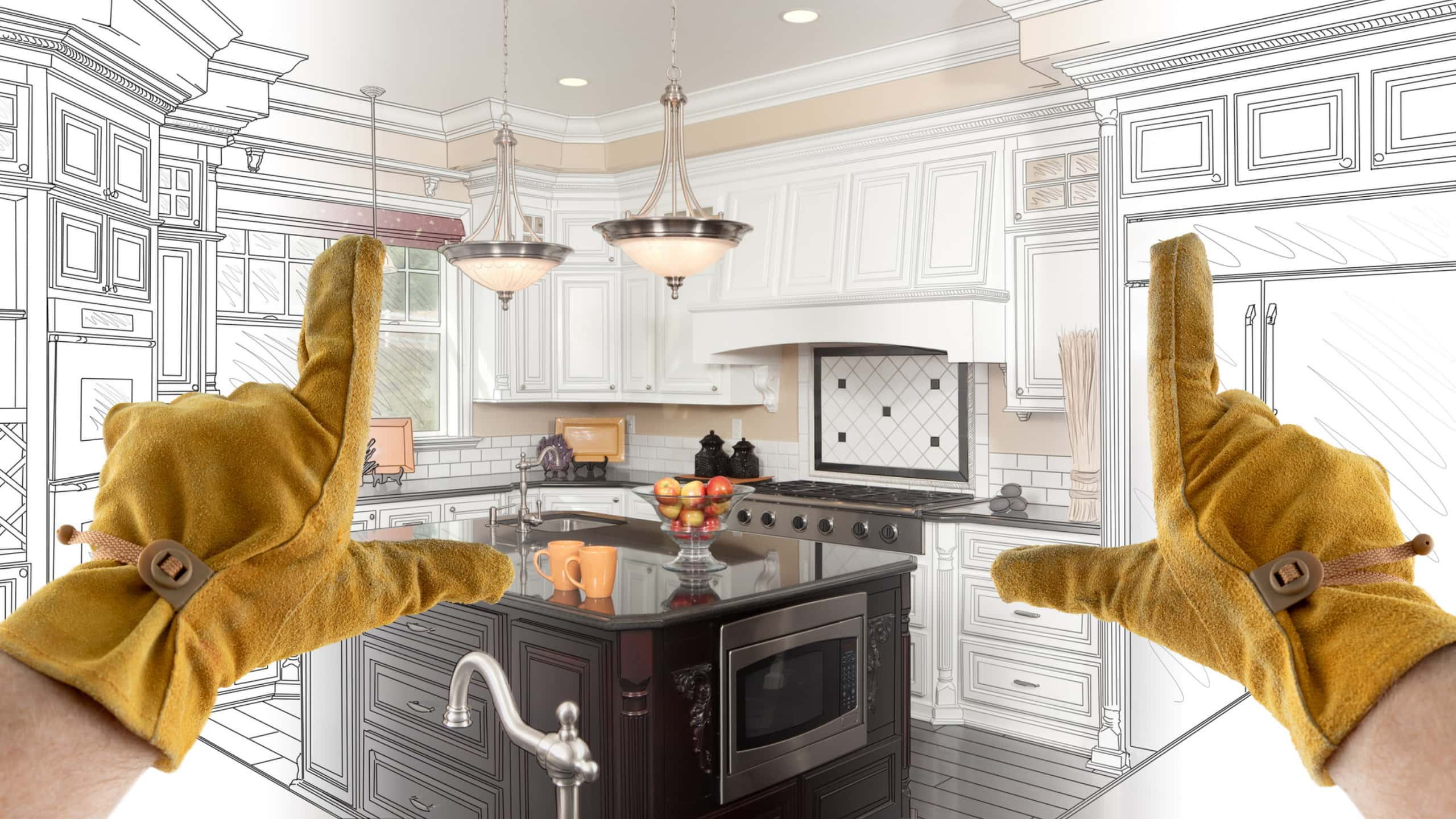
Update and remodel are two words that are often used interchangeably, but there is a definite distinction between them. Updating involves making changes to an existing structure while remodeling involves more extensive work. An update typically requires minimal effort and cost to fix up the space, whereas remodeling calls for a lot more time and money.
Updating usually involves replacing fixtures, such as countertops or appliances, with newer models. It can also include changing out paint colors or adding new hardware to cabinets or doors. Updates don't involve any major structural changes or moving of walls; they simply freshen up the look of a room without altering its fundamental layout.
Remodeling on the other hand, includes all of those changes plus more significant alterations that alter the structure of a room or even an entire house. This could mean taking down walls to combine two rooms into one, extending your home's footprint by adding onto it, replacing windows and siding for better insulation, or completely gutting a bathroom and starting again from scratch with new plumbing fixtures. As you can see, remodeling takes much more time and money than updating does.
In conclusion, although both terms refer to making improvements in some way, update generally refers to minor adjustments while remodel means making larger-scale changes that may require more substantial investments in time and resources. Consequently, understanding the difference between these two words is important before deciding which route is best for your project.
Remodeling can be an exciting and rewarding experience, but it's important to plan carefully. Knowing what comes first in the process is key to a successful remodel. The first step is usually coming up with an idea of what you want. This could mean scouring magazines or websites for inspiration, or simply brainstorming what improvements would best suit your needs and lifestyle.
Once you have a general idea of what you'd like to do, the next step is to assess your budget. Determine how much money you can realistically allocate towards the project and ensure that there are no hidden costs that could throw off your plans. It's also worth considering whether any special permits or professional help might be necessary; this should factor into your overall budget as well.
After establishing a budget, it's time to draw up a plan for the remodel itself. Consider both aesthetics and practicality when deciding which materials to use, and take into account any structural changes that may need to be made during demolition or construction. Research local building codes so that all work complies with regulations; this will help you avoid costly delays down the line. Additionally, don't forget about safety; make sure any tools or equipment needed for the job are appropriate for use in a home environment.
Remodel design is a term used to describe the process of transforming an existing space or structure into something that looks and functions differently. This can be done in a variety of ways, such as adding new features, changing layout, or using different materials. The goal of remodeling is to create a comfortable and aesthetically pleasing living environment.
However, this process requires more than just making changes; it requires careful planning and execution. A successful remodel project will involve significant research in order to plan what changes should be made, how they should be implemented, and the budget needed for the project. It’s also important to consider how long it will take until completion, as well as any potential problems that could arise during the course of the work.
Moreover, it’s essential to consult with professionals when undertaking a remodel design project. Experienced architects or contractors can provide valuable insight into which elements may need to be altered or removed from an existing space in order to achieve desired results. They can also help ensure that any changes are properly incorporated within existing structural constraints and adhere to local building codes. Furthermore, they can offer suggestions on how best to utilize available resources while still achieving desired outcomes.
In conclusion, remodel design is an important part of creating beautiful and functional spaces for residential or commercial purposes. By taking time to carefully plan out each step of the process alongside experts in the field, homeowners and business owners alike have an opportunity to breathe new life into their properties without sacrificing quality or safety standards. Therefore, investing in proper remodeling services can prove invaluable for enhancing both form and function of any given space!